
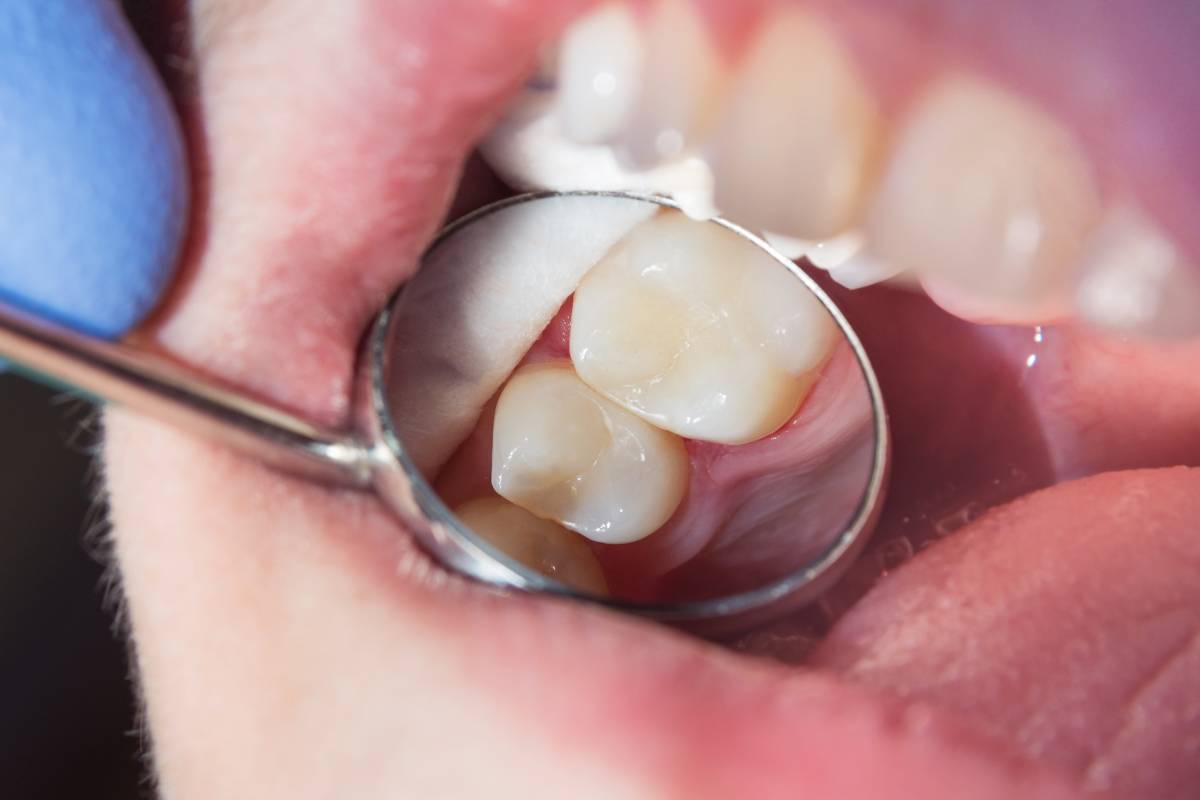
Dental fillings are strong and last a long time. However, the fillings can weaken over time, leading to potential cracks and increased sensitivity, requiring you to have a new filling placed to replace the old one.
When your current filling wears down, develops cracks, or feels loose, bacteria can enter the gaps. Dental fillings are needed to repair damaged teeth, improve biting function, and restore the tooth’s shape.
Signs You Might Need a New Filling
There are several warning signs that you need a new filling. Signs can range from mild to severe. For some, the first sign of discomfort is an intense ache in the tooth, dull or sharp pain around the tooth, or even bad breath.
Other signs you might need a new filling include discoloration of the tooth, pressure when you bite, and potential gum inflammation. While not every person will experience the same problems associated with a damaged dental filling, sensitivity and an uncomfortable feeling are likely warning signs.
When Do You Need a New Filling?
According to the National Library of Medicine, it is important to establish criteria for replacing dental fillings. Some of the many signs you might need a new dental filling include the following:
- Cracks in the tooth
- Dark edges around the tooth
- Sensitivity to temperatures (hot or cold)
- Sharp pain when biting down
- Dental trauma
- Discoloration of the tooth
- Loss of tooth structure
- Tooth age
- Tooth decay
- Sensitivity to sweets
- Deteriorating tooth structure
- Rough texture or sharp edges
The above signs may range in severity. If you are experiencing any of these warning signs, speak with a dentist and determine your options.
Why Dental Fillings and Dental Health Are Important
Dental fillings are necessary because they protect teeth in many ways. Not only do fillings prevent cavities and tooth decay, but they also provide support for tooth imperfections.
Maintaining strong tooth health is essential and can be achieved by brushing and flossing regularly, avoiding too many sweets or sticky foods, and attending routine dental visits. Those who ignore warning signs or follow a poor diet may develop cavities that require dental fillings.
Without routine check-ups and monitoring, your dental health, including old dental fillings, can become compromised, creating cracks where bacteria can enter. This can lead to infection and, if left untreated, progress to tooth decay.
If tooth decay progresses, it can affect the tooth’s root. Once bacteria reach the root, procedures such as a root canal may be required. In severe cases, the tooth may need to be removed to maintain a healthy smile.
The Process of Receiving a New Filling
When you receive a new filling, a local anesthetic is administered to the treatment area. From there, the dentist will select a composite material that matches your tooth color.
The composite material will fit around the tooth to repair the tooth structure. After the fitting, the dentist will shine a light on the composite material that hardens the new filling.
Afterwards, you may experience sensitivity and soreness. However, within just a few days, these symptoms should subside, and you can eat freely again. Although your dentist will likely provide this information to you, you mustn’t chew gum or other sticky foods, as they can attach to the filling and create cracks.
Find a Dentist Today
At Encino Family Dental, we specialize in tooth-colored dental fillings. If you have noticed any sensitivity or pain coming from your tooth, do not wait for the tooth to become filled with bacteria.
Our dentist and staff have years of experience helping our customers improve their smiles. Contact us today to schedule a consultation and learn more about our dental filling offerings.